
The Science Behind the Stick
Honestly, the first time I tried to use a beeswax wrap, I thought I’d been scammed. It felt like a stiff piece of fabric that wouldn't stick to anything. But then I realized the secret: the heat of your hands is the literal ignition switch for this tech. It's 2026, and while we're all trying to move away from the 'big plastic' era, understanding how beeswax wraps work is essential if you want to stop your cheese from turning into a science experiment. These wraps aren't just 'magic' cloth; they are a carefully balanced composite of organic cotton, pine resin, and jojoba oil.
Unlike cling film, which creates an airtight, moisture-trapping tomb for your food, beeswax wraps are 'breathable' membranes. This is the same reason why we recommend specific materials in our sustainable garden furniture guide—airflow prevents rot. When you wrap a loaf of bread, the wrap allows excess moisture to escape while keeping the outer crust from drying out. If you've already started a zero-waste kitchen journey, you know that food waste is just as bad for the planet as plastic waste. Let’s look at the mechanics that keep your leftovers fresh.
The 2026 Guide to Tackiness and Tension
The 'stick' comes from the pine resin, which acts as a natural adhesive. In 2026, the best brands have perfected the ratio to ensure the wrap doesn't leave a sticky residue on your bowls but still holds a seal under its own tension. Meanwhile, the jojoba oil acts as a plasticizer, keeping the wax from cracking when you fold it. This is why a high-quality wrap feels supple, almost like a second skin for your produce. If your wrap is flaking, it’s usually a sign the oil-to-wax ratio is off, a common issue with cheap 'knock-off' brands found in big-box retailers.
11 Critical Facts About Using Beeswax Wraps
- The Warmth Activation. You must use the 'hug' method. Cup the wrap over the bowl for 5–10 seconds. Your body heat softens the wax just enough to create a seal. Trust us on this one; cold hands lead to loose wraps.
- The Antibacterial Factor. Beeswax and jojoba oil have natural antimicrobial properties. In 2026, scientific studies suggest these wraps can actually slow the growth of certain bacteria compared to open-air storage.
- Breathability vs. Airtight. Cling film is airtight; beeswax is breathable. This is why beeswax is the best for wrapping hard cheeses like cheddar, which can 'sweat' and grow mould in plastic.
- Avoid Raw Meat. This is a hard rule. Because you cannot wash these in hot water (it melts the wax!), you can never safely sanitize them after they've touched raw meat or fish. Stick to glass containers for the heavy stuff.
- The Temperature Limit. Never use a wrap on a hot bowl. If the glass is too hot to touch, it will melt the wax right off the fabric.
- Stain Management. High-pigment foods like beetroot or turmeric will stain the cotton. It doesn’t affect how beeswax wraps work, but it won't look pretty. We keep a dedicated 'ugly' wrap specifically for the messy stuff.
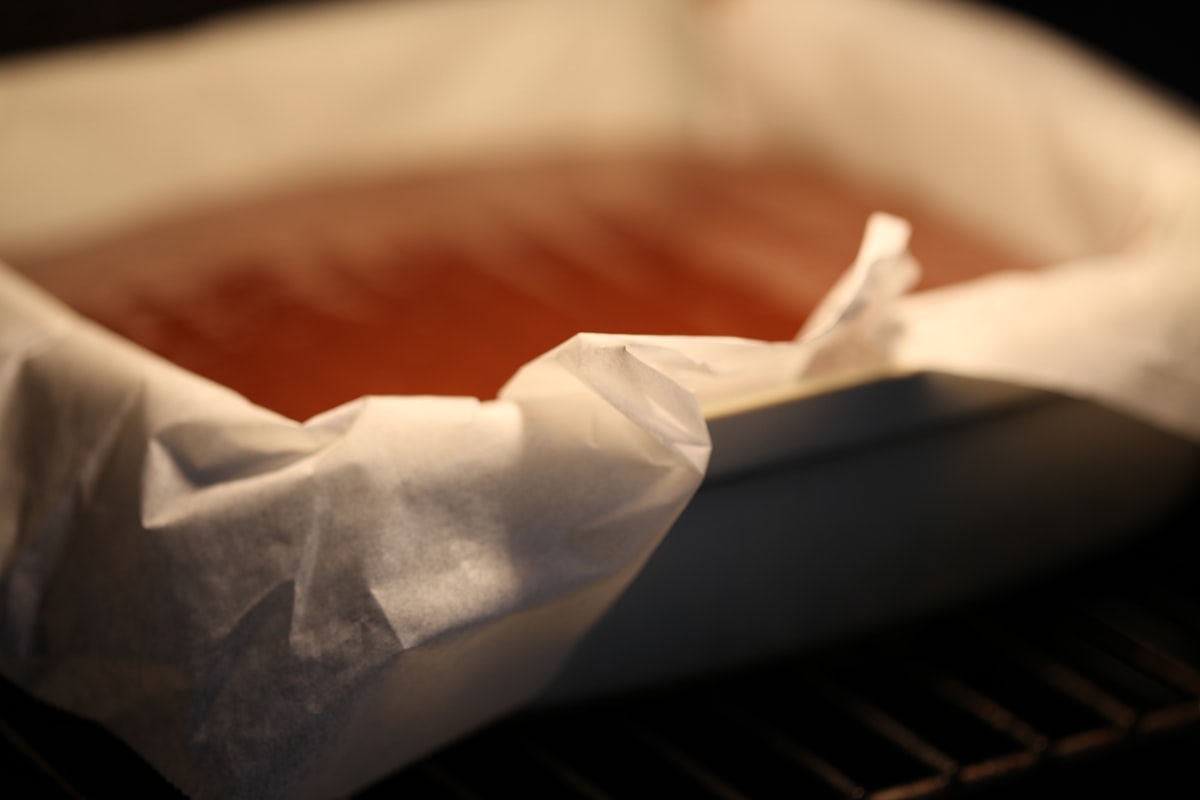
- Longevity Hacks. With proper care, a wrap lasts about a year. If it loses its stick, you can 'refresh' it in a low oven (around 65°C) on a piece of greaseproof paper to redistribute the wax.
- Cold Water Only. Use a tiny bit of sustainable cleaning soap and cold water. Anything warmer than lukewarm is the enemy of your wrap's lifespan.
- Storage Tips. Don't store them near the oven or on top of the fridge. The ambient heat can make them sticky and attract dust. A cool, dry drawer is best.
- The 'Sniff Test'. Over time, the jojoba oil can go rancid if the wrap isn't used. If it starts to smell 'off', it's time to compost it.
- Composting. At the end of its life, cut the wrap into strips and put it in your home compost. It’s 100% biodegradable and usually disappears within 6 months.
Comparison: Beeswax vs. Traditional Storage
| Storage Method | Average Lifespan | Breathability | Price per Year (GBP/USD) | Eco Score |
|---|---|---|---|---|
| Single-use Cling Film | 1 Day | Zero | £15 / $20 | 1/10 |
| Beeswax Wraps | 1 Year | High | £12 / $15 | 9.5/10 |
| Silicone Lids | 5 Years+ | Zero | £10 / $12 | 8.5/10 |
When you look at the 2026 data, the environmental impact of beeswax wraps is staggering. One medium wrap can replace roughly 75 metres of plastic film over its lifetime. That's 75 metres of microplastics that won't end up in our oceans. If you’ve already checked out our eco laundry review, you know that small changes in high-frequency habits are what move the needle. Replacing just two rolls of plastic wrap a year is a victory for your bin and the planet.
Fair warning: beeswax wraps aren't a perfect 1:1 replacement for plastic. For example, they aren't great at keeping crackers crisp in a humid kitchen because they allow moisture in as well as out. For dry goods, you’re better off with airtight jars. But for produce? It’s a total win. We’ve found that a half-cut avocado stays green for twice as long in a beeswax wrap than it does in a plastic baggie. It’s all about matching the tool to the task.
By understanding how beeswax wraps work, you can extend the life of your food and your wraps simultaneously. It’s a bit of a learning curve—learning the 'hug' technique and remembering to keep them away from the dishwasher—but once you’re in the rhythm, you’ll wonder why we ever thought wrapping food in petroleum-based film was a good idea. If you're ready to clean up the rest of your routine, don't miss our guide on the best shampoo bars for a truly plastic-free morning.
Ultimately, the move toward best beeswax wraps 2026 is part of a larger shift in how we view our homes. We're moving away from 'convenient' waste and toward 'mindful' longevity. Whether you buy them or DIY them using a kit, these wraps are a functional piece of heritage tech that actually works. Give them a try, be patient with the stickiness, and enjoy a fresher, greener fridge. Your kitchen (and the bees) will thank you.

Reviews & Comments
Loading...