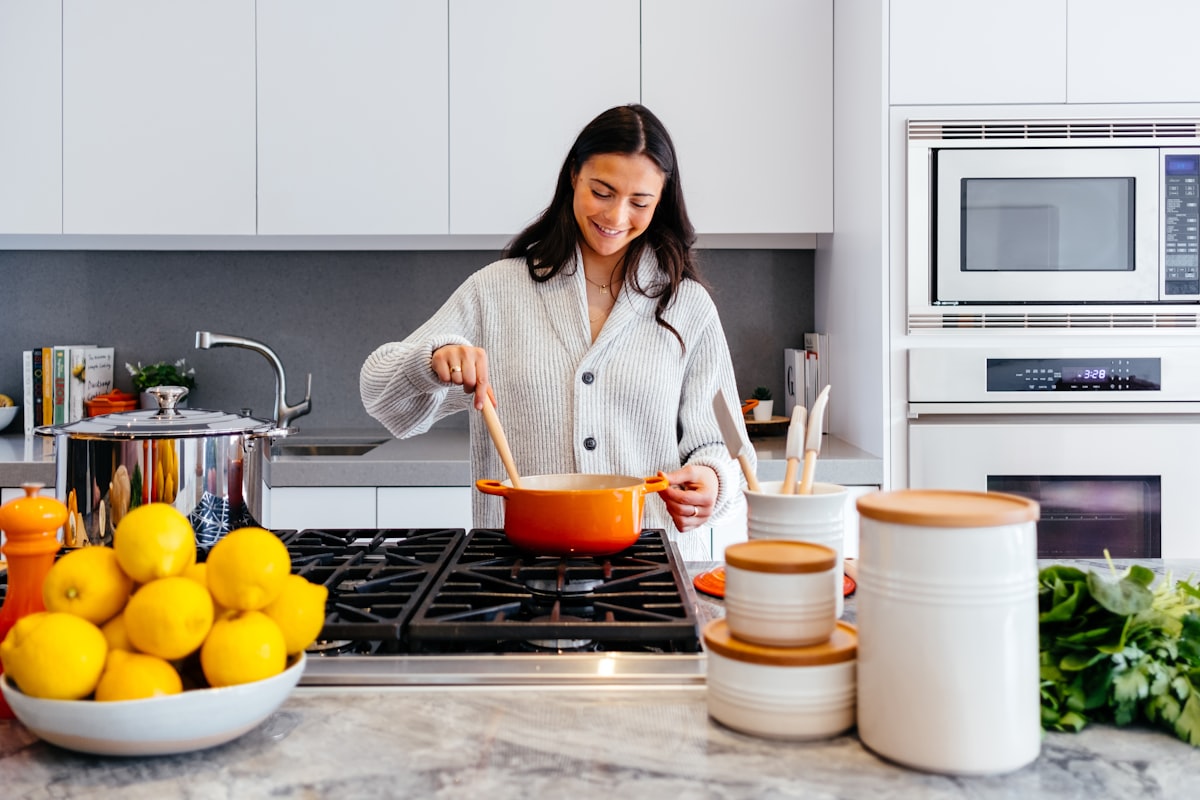
The Beginner’s Guide to a Greener Kitchen
Honestly, trying to turn your kitchen into a zero-waste sanctuary overnight is the fastest way to end up stressed, broke, and surrounded by expensive gadgets you don't know how to use. It’s 2026, and while the eco kitchen roadmap 2026 is more accessible than ever, the sheer volume of choices—from silicone bags to microbial composters—can feel paralyzing. We’ve all been there: buying a fancy set of glass jars only to realize we have nowhere to put the old plastic ones. The secret to a successful transition isn't perfection; it’s a staged approach that prioritizes high-impact, low-cost changes first.
In our experience, the kitchen is the heart of household waste, producing the majority of our single-use plastic and organic refuse. By following a structured roadmap, you can systematically replace 'throwaway culture' with a sustainable urban lifestyle that actually saves you money. If you’ve already started in the bathroom with our guide to bamboo toothbrushes or tackled the laundry room with eco-friendly strips, the kitchen is your final boss. Let's break down your journey into three manageable stages.
Stage 1: The Zero-Cost Quick Wins
Before you spend a single penny, the first step on your eco kitchen roadmap 2026 is to change your habits. This means auditing what you already have. Stop buying 'new' glass jars and start upcycling the ones from your pasta sauce. It’s the ultimate zero-waste hack. This stage is about reducing demand. Start by timing your fridge usage and organizing your pantry to reduce food waste—because the most sustainable food is the food you actually eat. Much like how we suggest how beeswax wraps work to extend food life, simple organization can save the average UK household over £700 a year in wasted groceries.
10 Essential Stops on Your Eco Kitchen Roadmap
- Swap Kitchen Roll for Swedish Dishcloths. One Swedish dishcloth replaces up to 17 rolls of paper towels. They are made of wood pulp and cotton, meaning they are 100% compostable at the end of their life. Price: £2.50 / $3.50 each.
- Solid Dish Soap Bars. Ditch the plastic bottles of liquid. A single solid bar can last as long as three bottles of liquid soap. It cuts grease just as well and looks much better on a ceramic dish.
- Silicone Stretch Lids. Instead of fighting with cling film, these reusable lids stretch over any bowl or half-cut melon. They are dishwasher safe and last for years, making them a cornerstone of the best kitchen swaps 2026.
- The Compost Bin Upgrade. If you're in an apartment, look at our guide to the best indoor composters. Starting to divert your food scraps from the landfill is the single biggest CO₂ win you can achieve in the kitchen.
- Refillable Cleaning Tablets. Stop buying water in plastic bottles. Switch to eco cleaning tablets that dissolve in your own tap water. It reduces shipping emissions by 90%.
- Plastic-Free Sponges. Traditional yellow-and-green sponges are made of petroleum-based plastic. Swap them for loofah or cellulose sponges that can go in the compost when they get tatty.
- Bulk Buying with Glass. Once you’ve emptied those upcycled jars, take them to a local refill shop. Buying grains, pasta, and spices in bulk saves roughly 5kg of plastic packaging per month for a typical family.
- Cast Iron Over Non-Stick. When your old non-stick pans start peeling, don't buy another one. Invest in cast iron. It lasts a lifetime (literally) and doesn't leach 'forever chemicals' like PFAS into your food.
- Beeswax (or Vegan) Wraps. Use these for cheese, bread, and sandwiches. They allow food to breathe, which prevents the sweating and moulding associated with plastic wrap.
- Reusable Produce Bags. Keep a set of organic cotton mesh bags in your 'main' shopping bag. This prevents the need for those thin, flimsy plastic bags in the fruit and veg aisle.
The 2026 Kitchen Swap Cost-Benefit Analysis
| Swap Item | Initial Cost | Annual Savings | Plastic Saved (Yearly) | Eco Score |
|---|---|---|---|---|
| Swedish Dishcloths | £5 / $7 | £40 / $50 | 20+ Rolls Paper | 9.5/10 |
| Solid Dish Soap | £8 / $10 | £15 / $20 | 4-6 Bottles | 9.0/10 |
| Refillable Spray | £12 / $15 | £25 / $30 | 12-15 Bottles | 9.8/10 |
| Silicone Bags | £20 / $25 | £35 / $45 | 200+ Baggies | 8.5/10 |
As you progress through your eco kitchen roadmap 2026, you’ll notice a shift in your household 'rhythm'. You’ll spend less time taking out the bins and more time enjoying a kitchen that feels intentional and clean. Trust us on this one: the 'mental load' of managing waste is real, and reducing it is just as beneficial for your well-being as it is for the planet. We’ve found that by Stage 2—refilling and reusing—most families are saving enough money to fund their larger 'Stage 3' investments, like energy-efficient appliances or high-end composting tech.
Fair warning: don't throw away perfectly good plastic items just to replace them with 'eco' versions. That is the opposite of sustainability. Use your plastic containers until they are truly broken, then recycle them and move to glass or stainless steel. The most sustainable item is the one you already own. This philosophy is consistent across all our guides, whether you’re looking at reusable nappies or personal care items like natural deodorant.
Ultimately, your eco kitchen roadmap 2026 is a living document. It will change as your lifestyle does. Maybe you start with a few dishcloths today and end up with a fully solar-powered kitchen in two years. The important thing is to start. Pick one swap from the list above—honestly, just one—and commit to it this week. Your kitchen, your wallet, and the earth will thank you for taking that first step toward a plastic-free future.


Reviews & Comments
Loading...