TL;DR: Ten structured steps — starting with a reusable bag and water bottle, ending with a full bathroom audit — can cut household plastic waste by 50–70% within 30 days, with no extreme lifestyle changes.
You Don't Have to Go Zero-Waste Overnight
The "zero waste" aesthetic on social media — a single mason jar of annual trash, perfectly curated produce in cotton bags — sets an impossible standard that puts most people off before they start. The truth is that you don't need to be perfect to make a meaningful difference.
Studies consistently show that a small number of high-impact changes account for the majority of plastic waste reduction. If every household eliminated single-use shopping bags, plastic water bottles, and cling film, global plastic waste from consumer households would fall by over 20%.
This guide is ordered by impact per effort. Start at Step 1 and add a new step each week. By Week 10, you will have reduced your household plastic output by an estimated 50–70%.
10 Steps to Reduce Plastic Waste at Home
Step 1: The Reusable Bag Habit (Impact: ★★★★★)
The average UK resident uses 140 plastic bags per year. In the US, it's closer to 500. A single cotton tote bag, kept by the door or in your car, eliminates this instantly.
Action this week: Put one reusable bag by your front door and one in your car or rucksack. Forget it twice; forgive yourself; keep going.
Step 2: A Reusable Water Bottle and Coffee Cup (Impact: ★★★★★)
Bottled water generates 600 billion plastic bottles globally per year. The US alone uses 50 billion. A good stainless-steel bottle (Hydro Flask, Nalgene, S'well) lasts a decade and saves you an estimated $1,500 over its lifetime vs buying bottled water.
For coffee: a reusable cup (KeepCup, Ecoffee Cup, Frank Green) eliminates disposable cups. The paper cup you get at a café has a polyethylene plastic lining that makes it non-recyclable at most facilities.
Step 3: Bar Soap, Shampoo Bar, Conditioner Bar (Impact: ★★★★☆)
Three bottles replaced per person per month — that's 36 plastic items per person per year. Bars last longer per gram, are cheaper to ship, and the products themselves are concentrated (not diluted with 80–90% water). See our full bathroom swap guide for brand recommendations.
Step 4: Beeswax Wraps and Silicone Lids (Impact: ★★★★☆)
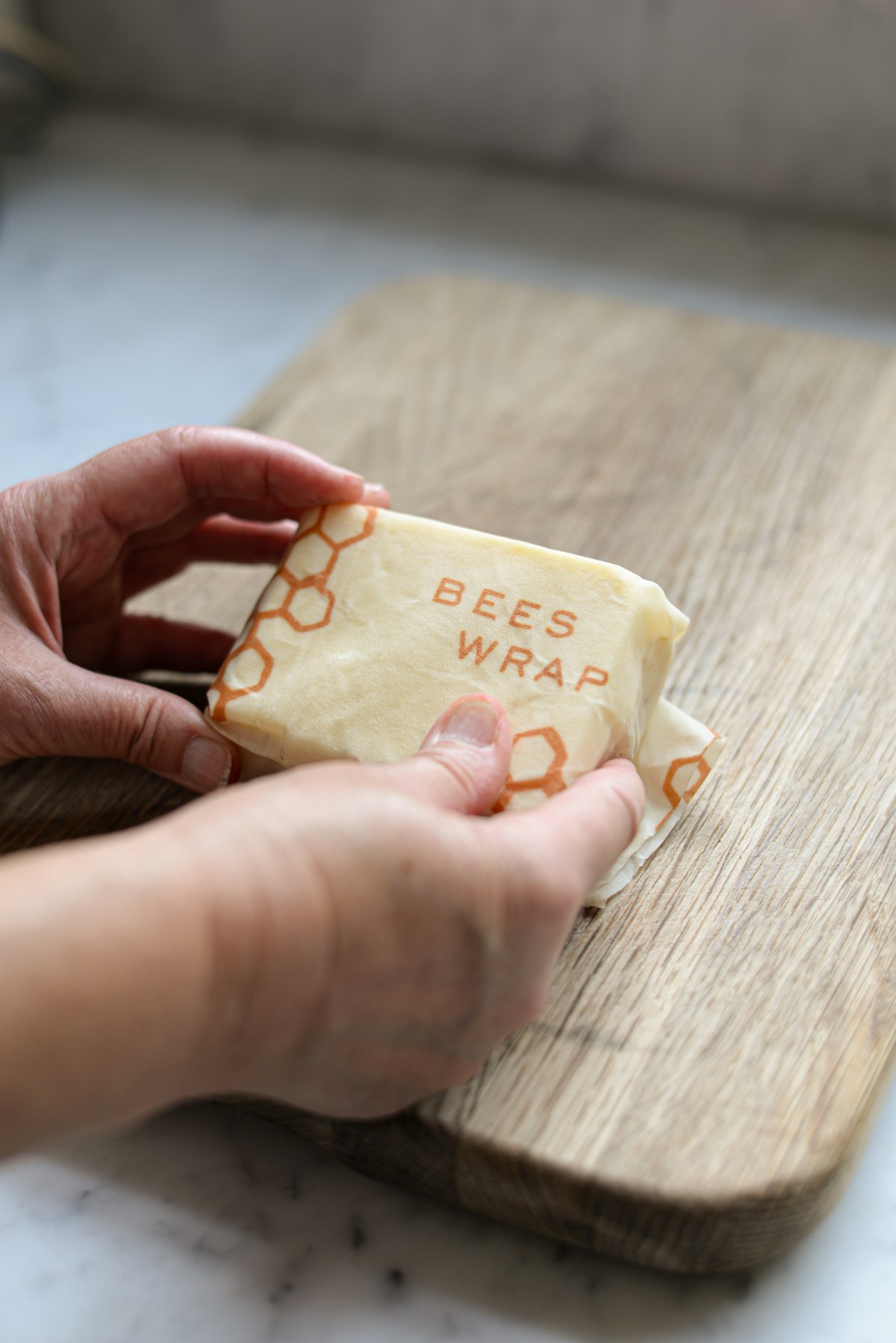
Cling film / plastic wrap is one of the most common kitchen plastics and one of the least recyclable. A few beeswax wraps and a set of silicone stretch lids covers virtually every use case. See our kitchen swaps guide for the full breakdown.
Step 5: Bulk Buying (Impact: ★★★★☆)
Buying dry goods — oats, rice, pasta, coffee, nuts, spices — in bulk eliminates the per-unit packaging of 100s of small bags per year. Bring your own jars or cloth bags to bulk stores; the tare weight is subtracted at the register.
Bonus: bulk buying is typically 20–40% cheaper than equivalent branded packaged goods.
Step 6: Choose Glass, Cardboard, or Aluminium Over Plastic (Impact: ★★★☆☆)
When bulk isn't available, select products in materials that are genuinely recyclable in your local area. Glass is infinitely recyclable. Aluminium retains 95% of its value when recycled. Cardboard and paper are recycled at 65–80% rates in most developed nations. Clear PET plastic (#1) is recycled in most areas. Everything else has very low actual recycling rates.
Step 7: Set Up a Kitchen Compost System (Impact: ★★★☆☆)
Food waste in landfill produces methane. A simple compost bin (countertop → garden pile) or Bokashi fermenter for apartments diverts kitchen food scraps and reduces the number of bin liners needed. Fewer bin liners = less plastic.
Step 8: Refuse Single-Use Cutlery, Straws, and Sachets (Impact: ★★★☆☆)
Carry a small kit: metal or bamboo fork, spork, and straw in a cloth pouch. When ordering takeaway, add a note: "No cutlery, straws, or condiment packets, please." This takes two seconds and avoids a handful of plastic items per order.
Step 9: Switch Laundry Products (Impact: ★★★★☆)
Detergent strips or powder in cardboard replace the plastic jug completely. Wool dryer balls replace dryer sheets. See our full laundry guide for tested brand recommendations and cost comparisons.
Step 10: Full Bathroom Audit (Impact: ★★★★☆)
Empty your bathroom cabinet and count the plastic items. Rank them by how often you replace them (toothbrush, shampoo bottle, razor) — those are your highest-impact swaps. Plan to replace each item with a plastic-free alternative when it runs out.
Don't throw away products that still work — that creates waste too. Transition one item at a time as you finish existing supplies.
Estimated Plastic Items Saved Per Year (Single Person)
| Swap | Plastic Items Saved/Year |
|---|---|
| Reusable water bottle | ~156 bottles |
| Reusable shopping bags | ~500 bags |
| Shampoo + conditioner bars | ~6 bottles |
| Bar soap | ~12 pump bottles |
| Detergent strips (vs jug) | ~6 large jugs |
| Reusable produce bags | ~100 bags |
| Beeswax wraps (vs cling film) | ~2 rolls (vast footage) |
| Bamboo toothbrush | ~4 brushes |
| Safety razor (vs cartridges) | ~52 cartridge packs |
| Total | ~838+ plastic items |
Frequently Asked Questions
Where should I start if I'm completely new to reducing plastic waste?
Start with a reusable bag and water bottle — these two swaps alone eliminate hundreds of plastic items per year and cost under $30 combined. Once these habits are automatic (usually 2–3 weeks), add the next step. Trying to change everything at once leads to overwhelm and giving up.
Is it worth going plastic-free if my local recycling is poor?
Absolutely. Recycling is a downstream solution; reducing consumption is upstream prevention. Most plastic is downcycled once (not infinitely recycled), and significant quantities never reach a recycling facility even in countries with good infrastructure. Reduction always beats recycling.
What's the most cost-effective plastic-free swap?
A reusable water bottle pays for itself in 1–2 months if you currently buy bottled water. Over 5 years, a $30 stainless bottle saves approximately $1,000–$1,500 compared to buying 3 plastic bottles per week.
How do I reduce plastic in grocery shopping without a zero-waste shop nearby?
Choose products in glass, aluminium, or cardboard over plastic when available. Buy larger sizes (fewer packages per unit of product). Look for brands that use minimal or recyclable packaging. When online shopping, request minimal packaging in the order notes. Many mainstream supermarkets have loose produce sections — use your own bags.
Does using a reusable bag really make a difference environmentally?
Yes, significantly. A meta-analysis of lifecycle assessments found that a cotton tote bag used 131 times has a lower environmental impact than single-use plastic bags. It takes more resources to make a cotton bag, but long-term use offsets this. Keep and repair your bags rather than replacing them frequently.

Reviews & Comments
Loading...