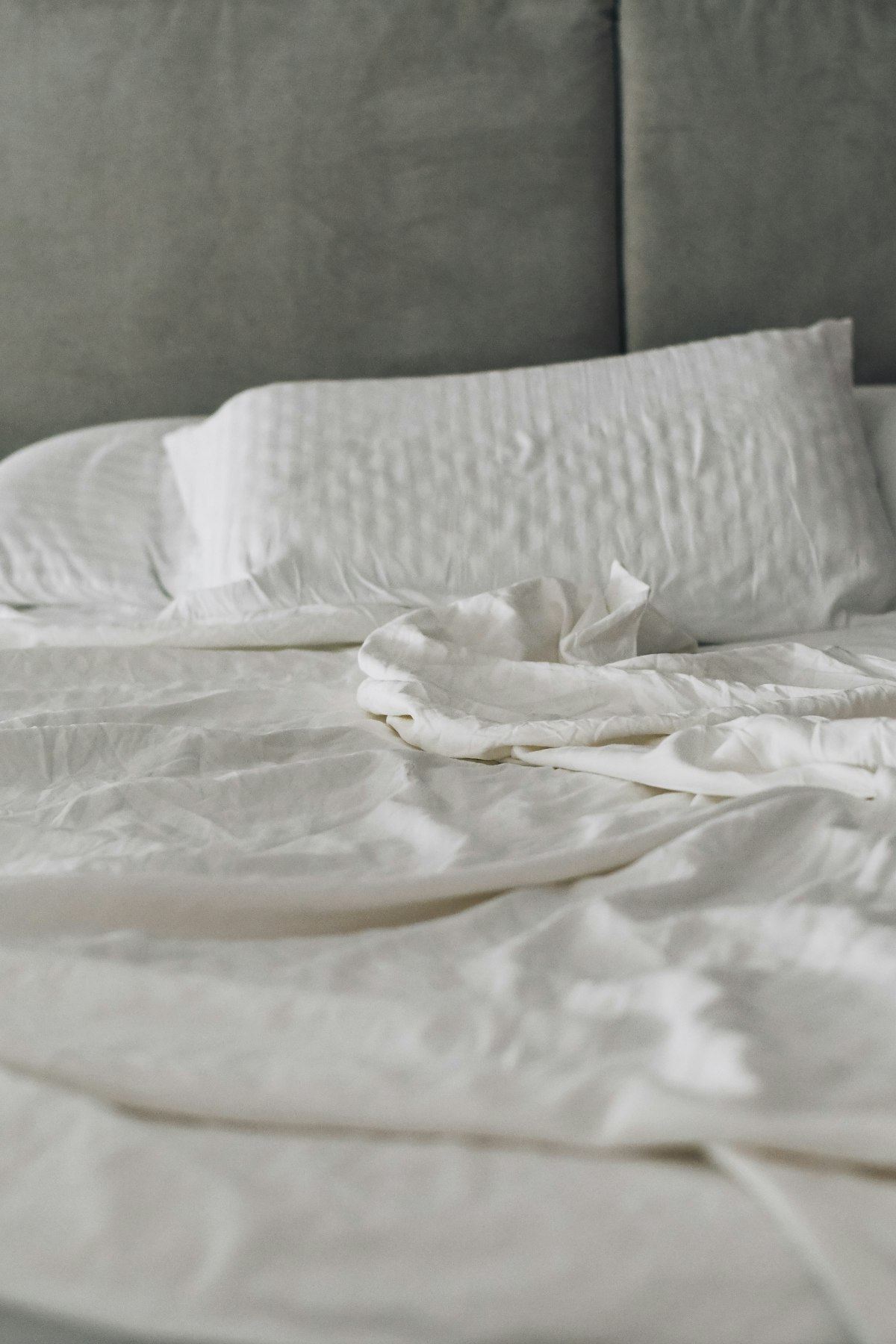
"Naturally cooling" is doing a lot of marketing work on bamboo bedding packaging. We tested bamboo viscose sheets against standard cotton percale and Tencel (a comparable wood-derived fiber) for actual temperature regulation and moisture-wicking to see how much of the claim holds up.
What "Bamboo" Bedding Actually Is
Most bamboo sheets are bamboo-derived viscose or rayon — the plant is chemically processed into fiber, not woven directly. This is a legitimate, established textile process (Tencel works the same way, using eucalyptus instead), but it's meaningfully different from raw bamboo fiber, which is rare and expensive in actual bedding.
Test Results
| Fabric | Moisture-wicking | Breathability |
|---|---|---|
| Cotton percale | Moderate | Good |
| Bamboo viscose | Strong | Very good |
| Tencel (eucalyptus) | Strong | Very good |
Bamboo viscose genuinely outperformed cotton percale on moisture-wicking and performed comparably to Tencel — a real, measurable difference, but more moderate than "naturally cooling" implies. It feels noticeably different from cotton, not dramatically different from other quality wood-derived fibers.
The Sustainability Nuance
Bamboo the plant grows quickly with minimal water and no pesticides — a genuine advantage over conventional cotton farming. But the standard viscose processing method uses chemicals in an open-loop process. Look specifically for "bamboo lyocell" (a closed-loop process, same family as Tencel) for the more genuinely eco-friendly processing method, since standard bamboo viscose doesn't carry the same processing-environmental advantage.
The Spec That Matters More Than the Fiber
Most "bamboo" bedding on the market is actually bamboo viscose — a heavily processed fiber, not raw bamboo cloth — and its cooling properties come mostly from weave (sateen vs. percale) and thread density rather than the fiber itself being inherently temperature-regulating. A tightly-woven bamboo viscose sheet and a loosely-woven one can perform noticeably differently despite an identical "bamboo" label, which is exactly why the marketing claim deserves more scrutiny than the material name alone provides.
Verdict
Bamboo bedding's moisture-wicking claim is real and measurable, not just marketing — but it's comparable to Tencel rather than uniquely superior. If sustainability of the processing method matters to you specifically, look for bamboo lyocell over standard bamboo viscose.

Reviews & Comments
Loading...