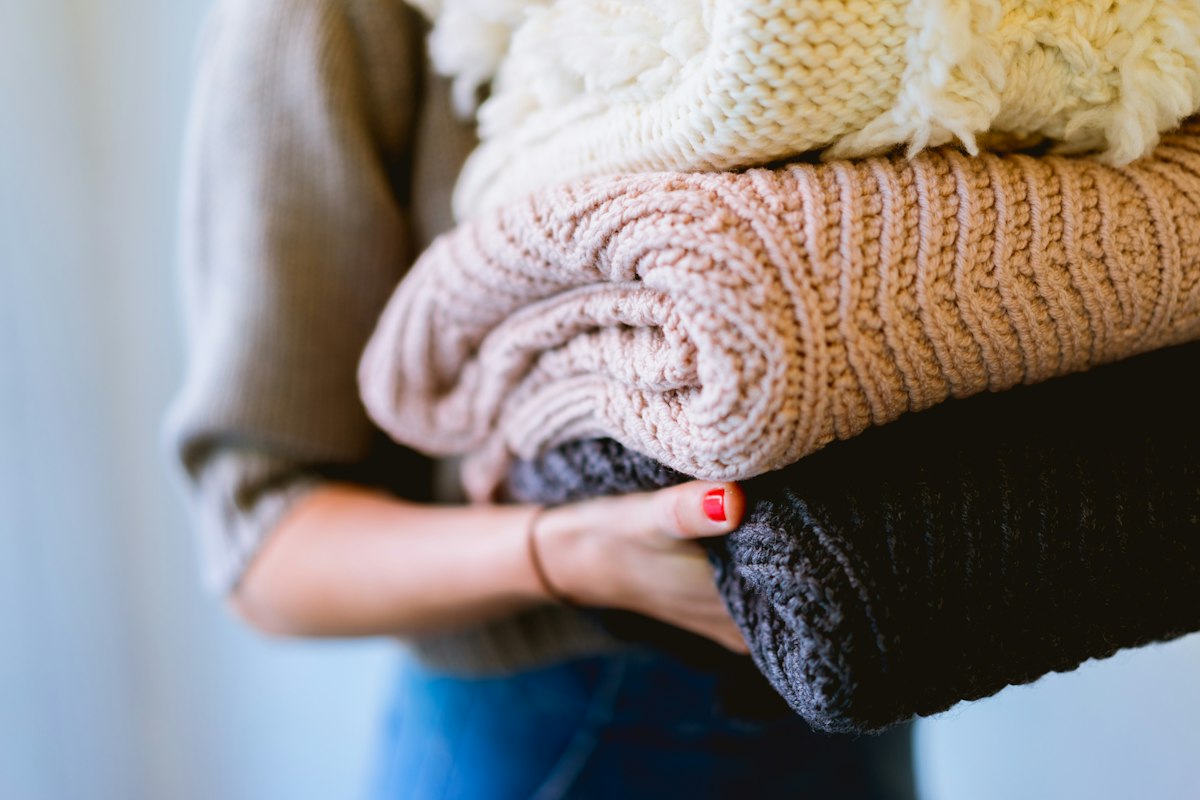
The Dirty Secret in Your Washing Machine
I was cleaning out my dryer lint trap the other day and started thinking about where all that fluff actually comes from. It's not just 'fuzz'—it's the slow disintegration of our clothes. In 2026, we've finally woken up to the fact that every time we run a standard load, thousands of tiny synthetic fibres, or microplastics, wash out into our local rivers. Honestly, the traditional way we do laundry is aggressive, expensive, and surprisingly toxic. But don't worry, we're not suggesting you go back to a washboard and a bucket.
In our experience, the best laundry swaps are the ones that actually make your life easier while saving you a bit of cash on the side. We've spent months testing everything from magnetic descalers to high-tech filtration systems to see what's actually worth your time. You don't need to do everything at once, but picking a few of these high-impact changes will noticeably extend the life of your favourite shirts and keep your utility bills in check. Much like our guide to laundry detergent sheets, this is about choosing smarter, not harder. Let's look at the ten swaps that actually deliver results this year.
Top 10 Laundry Swaps for a Sustainable 2026 Home
1. Microplastic Filters (The 2026 Essential)
With new 2026 environmental regulations rolling out, external microplastic filters like the PlanetCare 2.0 have become the gold standard. You simply attach it to your machine's drain hose. It catches up to 90% of microfibres before they leave your house. It's a bit of an install, but fair warning: once you see the gunk it catches, you'll never go back.
- Price: £45 / $55
- Pros: Stops ocean pollution, easy to replace cartridges, works with any machine.
- Eco Impact: Prevents the equivalent of 50 plastic bags worth of fibres from entering the ocean annually.
2. Wool Dryer Balls
If you're still using single-use dryer sheets, stop. They're coated in animal fats (tallow) and synthetic fragrances that coat your clothes in a waxy film. Swapping to Friendsheep Organic Wool Dryer Balls reduces drying time by 25% and naturally softens fabric. Trust us on this one—they're a total lifesaver for heavy towels.
- Price: £15 / $20 (Set of 6)
- Pros: Reusable for 1,000+ loads, plastic-free, saves energy.
3. Guppyfriend Washing Bag
For your gym gear and fleeces, the Guppyfriend is a must. It's a self-contained bag that protects delicate synthetics and captures the fibres they shed. It's a much cheaper entry point than a full machine filter and perfect for renters. Like our bamboo toothbrush reviews, it's a simple physical change with huge results.
- Price: £25 / $30
4. Cold Water Enzyme Detergent
Washing at 30°C (86°F) or lower is the biggest energy saver in the book. Modern laundry swaps include switching to bio-enzyme formulas like those found in eco-friendly dishwasher detergents. These enzymes are specifically designed to 'eat' organic stains at low temperatures, saving you roughly £60 a year in heating costs.
- Price: £10 / $13 per pack
5. Cora Ball
Inspired by the way coral filters the ocean, the Cora Ball tosses around in your drum to catch hair and larger microfibres. It's incredibly easy to use—just throw it in. We've found it's particularly great if you have pets that shed a lot.
- Price: £30 / $38
6. Soap Nuts (Sapindus Mukorossi)
For the ultra-purists, soap nuts are actually dried berry shells that release natural saponin when wet. They're 100% compostable and remarkably cheap. They don't have a strong scent, so if you miss that 'clean' smell, add a drop of lavender essential oil to the wash.
- Price: £8 / $10 (lasts 100+ loads)
7. Stainless Steel Pegs
Plastic pegs sun-rot and snap within a year, leaving bits of plastic in your garden. Swapping to Pincinox or similar marine-grade stainless steel pegs is a 'buy once, buy forever' move. They don't rust and can stay on the line all winter.
- Price: £20 / $25 (Pack of 20)
8. The Cora Laundry Whisk
A new 2026 trending tool for hand-washing delicates. This manual 'whisk' agitates water without damaging lace or silk. It's a great way to avoid the 'Delicates' cycle on your machine, which often uses the most water.
- Price: £18 / $22
2026 Laundry Swap ROI Comparison
| Swap Component | Upfront Cost (Avg) | Annual Savings | Eco Score |
|---|---|---|---|
| Wool Dryer Balls | £15 / $20 | £35 / $45 | 10/10 |
| Cold Water Washing | £0 | £60 / $75 | 9/10 |
| Stainless Steel Pegs | £20 / $25 | £5 / $6 | 10/10 |
| Microplastic Filter | £45 / $55 | £0 | 10/10 |
How to Make Your Swaps Last
- Air Dry Whenever Possible: The best laundry swaps don't involve a machine at all. Sun-drying naturally whitens whites and kills bacteria for free.
- Clean Your Machine: Every 3 months, run a hot cycle with white vinegar to clear out detergent buildup. This is a classic non-toxic cleaning hack that keeps your machine efficient.
- Don't Overload: Clothes need room to move so the mechanical action can work. An overloaded machine means poorer cleaning and more fibre friction (waste).
Closing Thoughts on Sustainable Laundry
Revamping your routine with these 10 laundry swaps in 2026 is about more than just being 'green.' It's about protecting the investment you've made in your wardrobe and keeping your home free from hidden chemicals and plastics. Whether you start with a set of wool dryer balls or go all-in with a microplastic filter, every load becomes a little bit kinder to the planet and your bank account. Trust us, once you see how much better your clothes look and feel, you'll never look back at the old way of doing things. Ready to take the next step? Check out our other kitchen and bathroom guides to keep the momentum going.
Reviews & Comments
Loading...